Buying a Second-Hand Saree: Risks and Rewards
Learn how to inspect vintage silk sarees for fold lines, zari blackening, and hidden damage so you know when a bargain is truly worth it.
Explore the pieces, ask about the details
Open a listing to compare its details, then ask us to confirm the fabric, fit, price and availability of the piece you like.
Buying a Second-Hand Saree: Risks and Rewards
Looking to add a vintage silk saree to your collection? Here’s the answer up front: buying a second-hand saree can be a brilliant way to access heritage weaves and rare artistry, but only if you know exactly what to look for—and what to avoid. I’m Ananya Rao, and today I’ll walk you through the practical, stylish, and sometimes risky world of pre-owned sarees—so you never get stuck with a "bargain" that’s not.
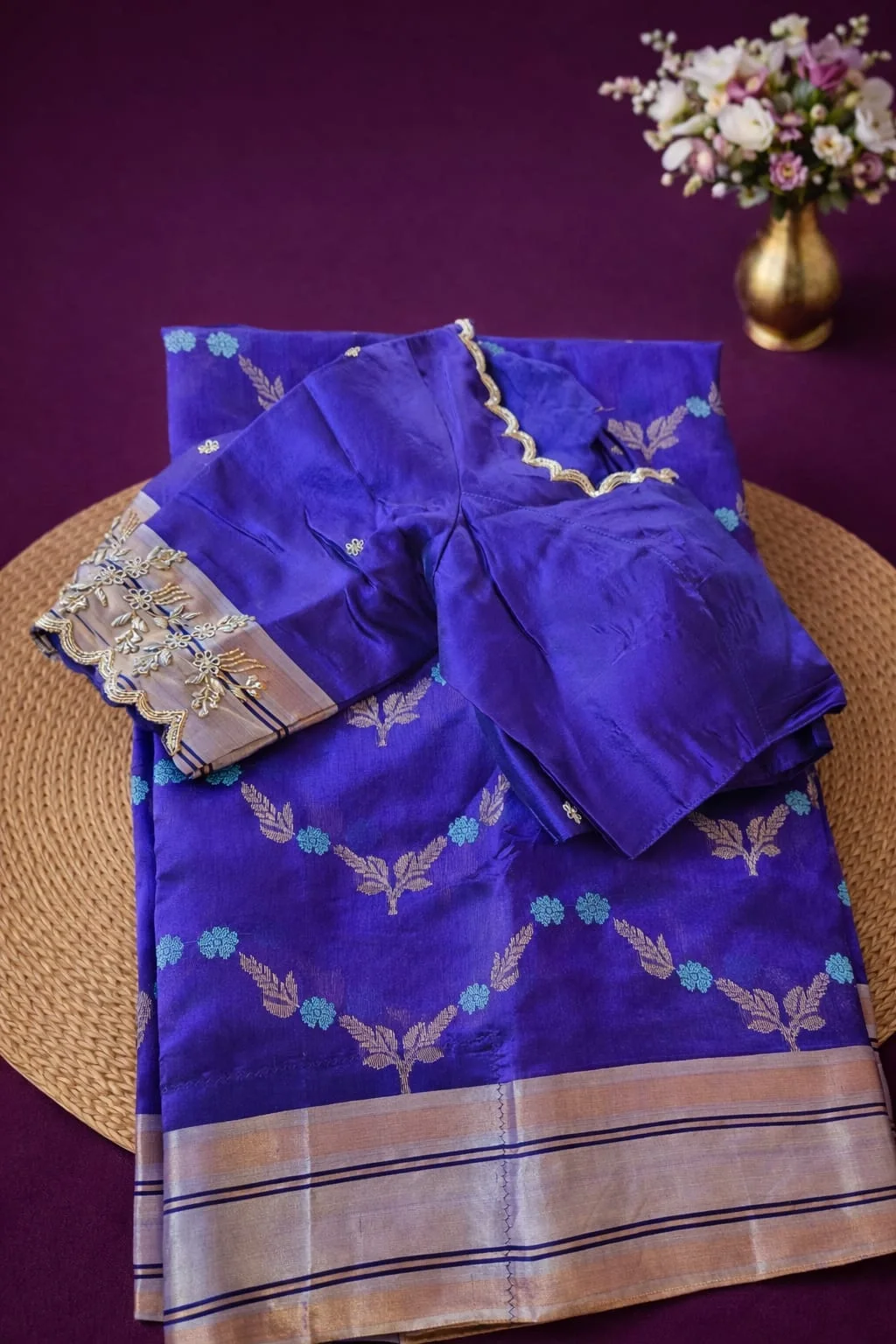
An Example: Assessing an Estate-Sale Find
Imagine this: you spot a shimmering Banarasi at an estate sale in Fremont, or your mother-in-law offers you her wedding Kanjivaram, folded for decades. It’s a dream for any Indian-American woman balancing nostalgia and modern style. But what is the border made from, and is the metallic thread intact beneath any discoloration? Will that fold line disappear with a good press, or is the silk about to split? Start with supported visual inspection and the seller’s records before deciding whether the saree suits your plans.
What is a Second-Hand Saree?
A second-hand saree is a previously owned piece, often vintage, acquired from estate sales, family collections, or resale groups. These sarees can range from lightly worn modern silks to antique handlooms with decades of history. The appeal lies in their unique weaves, handwork, and sentimental value. However, the condition varies, and careful inspection is key.
Why Buy a Second-Hand Saree?
Buying a second-hand saree gives you access to rare artistry, discontinued patterns, and sometimes the purest forms of handloom silk or gold zari work that are now unaffordable new. Many Indian-American women cherish these pieces for their history and craftsmanship, especially when paired with modern blouses and accessories for a fresh, contemporary look.
How to Inspect a Vintage Silk Saree
Before you commit to any second-hand saree, check these critical areas:
- Fold Line Weakness: Support the saree on a clean, flat surface and look for thinning, splits or loose threads at creases. Do not stretch a suspect area to test it.
- Zari Discoloration: Silver can develop black tarnish, so color alone cannot distinguish genuine from imitation zari. Inspect without rubbing or scraping, and ask for material records. See the Canadian Conservation Institute’s explanation of silver tarnish.
- Moth and Mildew Damage: Check for pinholes, webbing, or a musty smell, especially along edges and pleats. Moth damage is almost always irreversible.
- Stains and Color Bleeding: Older dyes may bleed or fade. Inspect under natural light for uneven patches, especially in the pallu and body.
Quick Inspection Checklist
- Examine fold lines visually while the fabric is fully supported; avoid tugging or repeated handling.
- Examine zari in good light for broken threads, loose wrapping or discoloration; shine alone does not identify its composition.
- Look for visible mold or damp storage damage; isolate a suspect piece and seek professional advice before bringing it into your wardrobe.
- Check for patches or darning, especially near the border and pallu.
What Ages Well in a Silk Saree?
Condition and storage history matter more than a handloom or fiber label alone. A saree with intact fabric and secure metallic threads may be a good candidate for wear; splits, shedding or failing attachments need closer assessment. The Pure Chanderi Pattu Silk Saree and Handwoven Pure Banarasi Tissue Saree are new-product style references, not evidence of how a particular second-hand saree will age.
| Feature | What to Check | What It Tells You |
|---|---|---|
| Silk Fabric | Thinning, splits and past repairs | Condition must be assessed regardless of loom method |
| Metallic Zari | Discoloration and thread integrity | Black tarnish alone does not prove imitation |
| Any Weave or Fiber Blend | Fading, tears and seam damage | A label alone cannot predict remaining life |
| Glued Embellishments | Loose pieces and marks around adhesive | Repairs depend on the attachment and fabric condition |
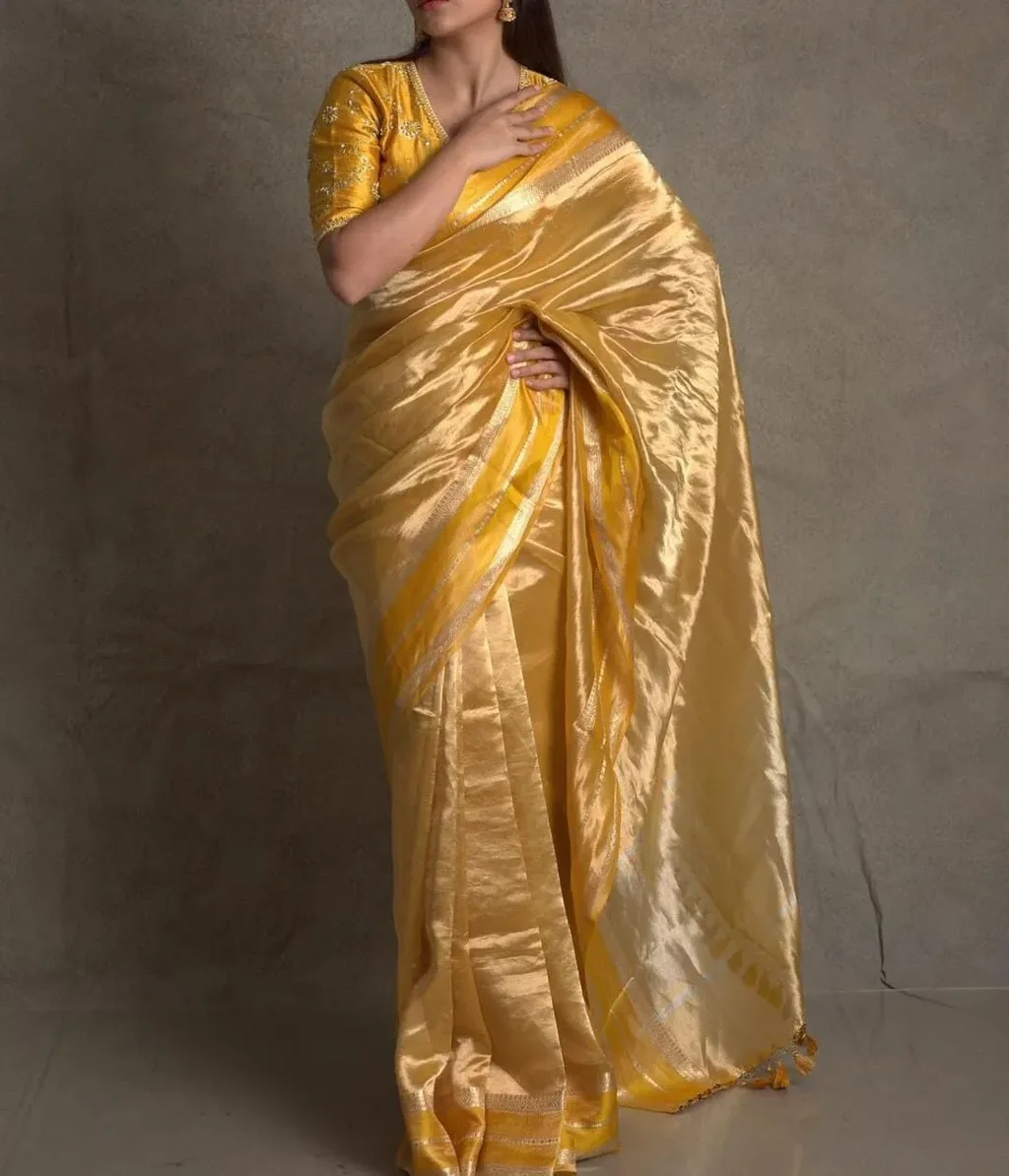
How to Style a Second-Hand Saree for Modern Occasions
Reviving a vintage saree is all about balance. Here’s how you’d style your estate-sale Banarasi or heirloom Chanderi for a fall sangeet or intimate dinner:
- Contrast Blouse: Pair a classic gold Chanderi with a jewel-toned silk blouse for instant freshness. Try magenta or emerald for festive events.
- Statement Jewelry: Layer silver jhumkas or a chunky temple necklace to play up the vintage vibe. For delicate tissue sarees, keep it minimal—pearl studs or a slim gold chain.
- Modern Footwear: Swap out traditional heels for embroidered juttis or metallic sandals, especially if the saree is feather-light like the Chanderi Pattu Silk Saree.
Pro tip: If the saree’s original blouse piece is damaged, commission a blouse in raw silk or cotton silk for breathability and structure. This trick is especially useful for US-based shoppers who want a contemporary fit.
3 Ways to Wear a Vintage Saree
- Traditional Drape: Classic Nivi style with a fresh blouse and light gold belt.
- Saree as Lehenga: Pleat the body into a skirt and drape the pallu across your shoulder—ideal for receptions.
- Layered with a Jacket: Add a cropped brocade jacket or long silk shrug for winter weddings.
Find more style inspiration in our Plus Size Saree Buying Guide for US Shoppers—many tips work beautifully for vintage pieces too.
Criteria for Buying a Second-Hand Saree
- Provenance: Ask for the saree’s age, origin, and any family or artisan history.
- Fabric Integrity: Prioritize intact fabric, edges and repairs appropriate to how you plan to use the saree.
- Zari Quality: Ask what the metallic thread contains and inspect for breaks. Do not pull threads or treat tarnish as a composition test.
- Minimal Restoration: If major patches, re-zari work, or color correction is needed, factor in cost and authenticity loss.
- Storage History: Sarees stored in cool, dry, and dark conditions survive best.
Restoration Cost and When a Bargain Isn’t One
Before buying a damaged saree, obtain an assessment and quote from a textile conservator or a specialist experienced with comparable garments. Ask whether treatment can make it suitable for wear or only for supported display, and factor in transport and insurance. A lower purchase price is useful only if the total cost and likely result suit your plans.
For new-product alternatives, compare the Handwoven Pure Banarasi Tissue Saree ($195.00 USD, pre-order) or the Soft Beige Mul Cotton A-Line Dress (ready to ship) for effortless elegance and peace of mind.
FAQs on Buying a Second-Hand Saree
How do you check a used saree for damage?
Lay the saree on a clean, flat surface and inspect creases, edges, metallic threads and previous repairs in good light. Keep weak sections supported and do not stretch them. The Canadian Conservation Institute’s textile-care guidance recommends careful handling and support for textiles; a fragile piece merits a conservator’s assessment before wear.
Can blackened zari be restored?
Some darkening can be tarnish on silver-containing zari; discoloration alone does not identify the metal or establish whether cleaning is suitable. Treatment depends on the metal wrapping, dyes, base fabric and condition. Ask a textile conservator before applying metal polish or cleaning the threads.
Are fold lines permanent?
Fold lines can be simple creases or areas where fibers have weakened. Pressing cannot mend split threads. For a vintage saree, have the fabric and any metallic work assessed before trying heat or steam on a persistent crease.
When is a vintage bargain not worth it?
A vintage saree may be a poor purchase for immediate wear if it has widespread splits, holes, unstable embellishments or repair costs beyond your budget. Tarnish alone is not a reason to reject it. Balance condition and a specialist’s estimate against its personal value and intended use.
Featured Products Worth Considering
For a different buying route, compare these Swathi Design catalog listings and their current specifications:
- Pure Chanderi Pattu Silk Saree – Handwoven Golden Zari (availability on inquiry): A golden-zari style to consider for weddings and family celebrations; ask for its current material and weave details.
- Luxurious Handwoven Pure Banarasi Tissue Saree with Zari Detailing ($195.00 USD, pre-order): Regal shimmer, intricate zari, perfect for festive evenings or upscale parties.
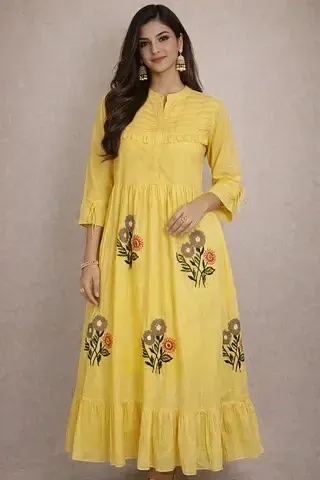
- Soft Beige Mul Cotton A-Line Ethnic Dress ($35.00 USD, ready to ship): Breathable, soft, and tailored for all-day comfort—an easy modern alternative with ethnic flair.
Browse our Sarees and Dresses categories for more handpicked, artisan-crafted pieces.
Shop the Collection
Ready to find a saree with a story—without the restoration stress? Explore our full collection of new and pre-order sarees and dresses, all curated for the Indian-American woman who values heritage and style. Browse our full collection or connect via WhatsApp for personalized styling tips.
Related Guides
- For new saree buyers: Saree Arrived Damaged? What to Do Next
- For online shopping tips: Buying Sarees on Amazon or Etsy: What to Check
Direct answer: Buying a second-hand saree is rewarding when you know how to spot quality, assess true restoration costs, and appreciate the legacy of India’s weaves. Use careful visual inspection, the seller’s records and specialist advice when needed. Keep the purchase focused on the condition and style you can actually assess.
Featured in this guide
Part of the Handwoven Silks: Chanderi, Tussar & Raw Mango guide collection.
Related guides
- Chanderi Pattu Saree Styles for Indian-American Weddings and Celebrations
- Exquisite Russian Crape Silk Saree: Timeless Elegance for Every Occasion
- Luxurious Pure Russian Crape Saree: Timeless Elegance for Every Occasion
- Elevate Your Festive Wardrobe with Exquisite Handwoven Chanderi Sarees and Anarkali Dresses
- Timeless Elegance: Discover the Allure of Pure Chanderi Silk Sarees for Every Occasion