Chanderi vs Maheshwari: How to Identify Madhya Pradesh’s Signature Handlooms
Compare Chanderi and Maheshwari fabrics, their characteristic drapes and borders, and the product information to check before buying. Includes sourced regional history and practical styling advice.
Explore the pieces, ask about the details
Open a listing to compare its details, then ask us to confirm the fabric, fit, price and availability of the piece you like.
Chanderi vs Maheshwari: The Definitive Comparison
If you’re searching for a saree that balances tradition, lightness, and elegant drape, two names rise above all others from Madhya Pradesh: Chanderi and Maheshwari. Chanderi vs Maheshwari is a classic handloom debate, especially among Indian-Americans who want authenticity and comfort for festive wear, summer weddings, or formal gatherings. Here’s a direct, side-by-side look at their key distinctions:
| Feature | Chanderi | Maheshwari |
|---|---|---|
| Weave Structure | Fine fabrics in cotton, silk or silk-cotton | Often silk-cotton, with a distinctive reversible border |
| Sheen | Varies with fiber and finish; often luminous | Can have a soft or glossy finish |
| Weight | Often light; weight varies by fabric and decoration | Often light; weight and crispness vary by piece |
| Border | Narrow, delicate zari or resham borders | Reversible border known as bugdi |
| Occasion | Summer events, daywear, poojas | Festive evenings, formal gatherings |
| Price | Compare the current item price and material details | Compare the current item price and material details |
TL;DR: Chanderi is often chosen for translucency and shimmer; Maheshwari is associated with distinctive borders and striped or checked designs. Compare the actual sarees: fiber, density and decoration vary within both traditions.
Origins: Weaving History into Every Inch
Chanderi has a centuries-old weaving tradition in Madhya Pradesh. Madhya Pradesh Tourism describes its Mughal-era prominence. The craft remains associated with the town’s weaving community and its varied cotton, silk and blended fabrics.
Maheshwari sarees are associated with Maheshwar and the patronage of Ahilyabai Holkar in the 18th century, as described by Incredible India. MP Tourism presents her personal design of the first saree as a traditional attribution; it is best retained as a legend rather than a documented design credit. The official GI register lists both Chanderi Sarees and Maheshwar Sarees & Fabric.
What is the difference between Chanderi and Maheshwari sarees?
Chanderi sarees often have a translucent appearance and small decorative motifs, in cotton, silk or silk-cotton versions. Maheshwari sarees commonly combine silk and cotton and are associated with distinctive reversible borders. These are useful design clues, but neither border width nor sheen alone proves origin.
How Chanderi Sarees Are Made
Chanderi’s weaving tradition includes pit looms, fine yarns and decorative woven motifs such as coins, flowers and peacocks. A buti is a small motif, rather than the name of a mesh-like fabric structure. The selected yarns and weave affect the finished drape.
When comparing Chanderi pieces, I look at translucency, motif placement and the way the fabric falls. Those observations help with styling; a “water mark” effect, slub or particular shine is not a reliable authentication test.
How Maheshwari Sarees Are Made
Maheshwari is known for cotton-and-silk fabrics and its reversible bugdi border. The MP Tourism Maheshwar brochure also describes plain, striped and checked bodies, with a traditionally striped pallu. Border reversibility should not be turned into a promise that every pallu or whole saree looks identical on both sides.
The body, border and pallu each contribute to the finished design. Review photographs of all three when choosing between checks, stripes or a plainer body. If handloom origin matters to your purchase, look for evidence tied to that particular product, such as a verifiable Handloom Mark label.
How to Tell Chanderi From Maheshwari at a Glance
- Border style: Chanderi: narrow, delicate; Maheshwari: bold, geometric, reversible
- Sheen: Both can have a soft glow or more pronounced shine, depending on the yarns and finish.
- Motif density: Chanderi: smaller, spaced motifs; Maheshwari: larger, often striped or checked body
- Pallu: Compare the selected piece’s design; a reversible Maheshwari border does not establish an identical reverse across the whole pallu.
- Touch: Chanderi: featherlight, smooth; Maheshwari: slightly crisper, holds pleats well
Compare both faces of the border to understand the design, without pulling or stressing the cloth. This is a style comparison, not a conclusive test of regional origin or handloom production.
Chanderi Saree: Pros & Cons
- Pros: Exceptionally lightweight, ideal for humid climates; luminous sheen; subtle motifs suit both traditional & contemporary styling; easy to pleat and drape
- Cons: Delicate weave can snag on jewelry; needs gentle care; less structured—may feel too soft for some
Maheshwari Saree: Pros & Cons
- Pros: Distinctive reversible borders; varied striped and checked designs; options for everyday and festive styling
- Cons: A crisp drape may need different pleating from a softer saree; weight and finish vary by piece.
Which is lighter, Chanderi or Maheshwari?
Both traditions include lightweight fabrics. Compare actual weight, weave density, zari coverage and lining instead of assuming Chanderi is always lighter. A richly decorated Chanderi may feel quite different from a simpler Maheshwari.
How to Spot Authentic Handloom & Care for Your Saree
For Chanderi: Examine transparency and motifs as design features, then check the stated origin and material. Slubs do not prove handloom work. Care tip: Follow the selected saree’s care label; do not assume every Chanderi can be washed at home.
For Maheshwari: Review the border and pallu separately, including reverse photographs. Care tip: Support the fabric when folding and use clean, acid-free tissue at folds. Follow the care label before applying water, steam or heat.
Are Maheshwari sarees reversible?
Maheshwari is known for a reversible border, often called bugdi. Check the particular saree’s pallu and reverse before choosing how to drape it; border reversibility does not guarantee that the entire saree has the same finish on both faces.
Styling Madhya Pradesh Handlooms for US Occasions
Both Chanderi and Maheshwari sarees transition beautifully from Indian family gatherings to American formal events. Here’s how to style each for maximum impact:
- Chanderi: Pair with a sleeveless blouse and delicate pearl jewelry for a California garden wedding, or add a gold belt for Diwali. Minimalist heels and a box clutch complete the look.
- Maheshwari: Let the border shine—choose a solid silk blouse, bold jhumkas, and metallic kolhapuris. For festive dinners, drape the pallu front-facing to showcase its pattern.
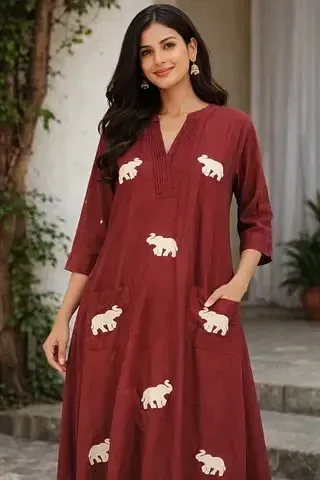
For those who prefer a dress, Swathi Design’s Ivory Muslin Anarkali Gown, Handcrafted Georgette Lehenga Gown and Mul Cotton Frock offer alternative silhouettes. These are their catalog names; the linked styles are not identified as Chanderi or Maheshwari fabrics.
Browse our Dresses section for more silhouettes to compare.
Which saree is better for summer weddings?
Either tradition can suit a summer wedding. Compare the selected fabric’s weight, lining, embellishment and coverage, and take account of the venue. For a daytime look, choose a drape and blouse that let you move comfortably; add a layer for strong indoor air conditioning.
Beyond Sarees: Choosing a Dress Silhouette
If you prefer a dress to a saree, compare the shape and listed material of the Ivory Muslin Anarkali Gown, Handcrafted Mul Cotton Frock and Handcrafted Georgette Lehenga Gown. Pick the silhouette you enjoy, then check its garment measurements for your fit.
Learn more about pairing these dresses with the right jewelry and footwear in our post on Sari Choices for a US Courthouse Wedding vs Temple Wedding.
Shop the Collection
Use this comparison to choose the texture and border style you enjoy, then review the details of the individual garment. Browse our full collection for sarees and other festive outfits.
FAQ: Chanderi vs Maheshwari
- What is the difference between Chanderi and Maheshwari sarees?
Chanderi includes cotton, silk and blended versions, often with translucent finishes; Maheshwari is associated with cotton-silk fabrics and reversible borders. Individual designs vary. - Which is lighter, Chanderi or Maheshwari?
Both can be light. Compare actual fabric weight and decoration rather than relying on the regional name. - Are Maheshwari sarees reversible?
The reversible border is a characteristic feature; check the selected saree before assuming its pallu or body is fully reversible. - Which saree is better for summer weddings?
Either can work. Choose by actual weight, lining, coverage and the event setting.
For more on identifying authentic handlooms, see our post Kanjivaram Silk vs Art Silk: How to Identify Authentic Sarees.
Featured in this guide
Part of the Handwoven Silks: Chanderi, Tussar & Raw Mango guide collection.
Related guides
- Chanderi Pattu Saree Styles for Indian-American Weddings and Celebrations
- Exquisite Russian Crape Silk Saree: Timeless Elegance for Every Occasion
- Luxurious Pure Russian Crape Saree: Timeless Elegance for Every Occasion
- Elevate Your Festive Wardrobe with Exquisite Handwoven Chanderi Sarees and Anarkali Dresses
- Timeless Elegance: Discover the Allure of Pure Chanderi Silk Sarees for Every Occasion