Indian Clothing Alterations in the US: Cost & Tips
Get expert tips on altering Indian clothing in the US—find the right tailor, know what can be altered, costs, and what to bring for best results.
Explore the pieces, ask about the details
Open a listing to compare its details, then ask us to confirm the fabric, fit, price and availability of the piece you like.
Indian Clothing Alterations in the US: The Modern Guide
Need your Anarkali nipped at the waist, or your lehenga hemmed before Diwali? Here’s what you need to know: Indian clothing alterations in the US are absolutely possible—but they require a little savvy and the right tailor. I’m Ananya Rao, Senior Ethnic Fashion Editor, and today I’m breaking down how to alter your favorite Swathi Design pieces (and other Indian outfits) with confidence, including what beaded garments make tricky, what to expect for costs, and the exact checklist for your first fitting.
Whether your Ivory Muslin Anarkali Gown needs a perfect fit for a wedding, or you’re updating a pure muslin lehenga for a festive party, here’s how to get your Indian attire tailored beautifully—right here in the US.
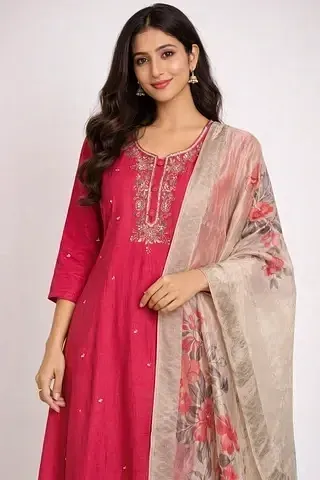
Before You Start: What You'll Need for Indian Clothing Alterations
- Your clean, pressed garment (blouse, Anarkali, lehenga, etc.)
- Reference shoes (especially for hemming)
- Undergarments or shapewear you plan to wear
- Any matching dupatta, petticoat, or accessories
- Inspiration photos—for your ideal fit or style
Arriving prepared helps your tailor understand exactly what you want, especially with intricate garments like beaded lehengas or Anarkali gowns.
Step 1: Finding a Tailor in the US Who Knows Indian Outfits
Not every alterations shop is equipped to handle Indian clothing. You want a tailor who has worked with Anarkalis, lehengas, or saree blouses before. Start by asking your local South Asian community (think: WhatsApp mom groups, Indian grocery store noticeboards, or temple circles) for recommendations. Many dry cleaners and general alteration shops can do basic work—hemming, taking in seams, adjusting straps—but beadwork, zari, or hand embroidery require special skill. Expect to pay more for expertise, and always ask if they’ve worked with similar fabrics and embellishments.
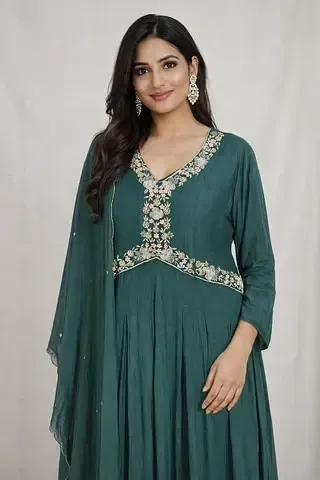
How to Identify a Qualified Tailor for Indian Clothing
- Ask for photos of previous Indian garment work—be it lehengas, Anarkalis, or blouses
- Check if they have handled intricate beadwork or zari
- Request a small test alteration (such as hemming a dupatta) if unsure
- Confirm they have a suitable workspace for handwork
Some tailors may even offer WhatsApp consultations—use Swathi Design’s WhatsApp contact to ask about the listed measurements of dresses or lehengas.
Step 2: What Can and Cannot Be Altered on Indian Clothing
The short answer: most Indian outfits can be altered for fit, but there are limits—especially with beaded or zari-heavy garments. Simple seam adjustments, blouse darting, pant hemming, and strap shortening are standard. For the Pure Chinon Anarkali Gown, have a tailor inspect the seams and lining before agreeing to a change. Taking in and letting out have different limits, and moving embellishment or altering a neckline may be more involved.
| Alteration | Easy | Challenging |
|---|---|---|
| Hemming (plain) | ✔️ | |
| Hemming (with beadwork) | ✔️ | |
| Taking in/letting out seams | Taking in plain seams may be straightforward | Letting out depends on usable seam allowance |
| Adjusting straps/sleeves | ✔️ | |
| Resizing beaded/zari blouse | ✔️ |
For anything heavily embroidered or beaded, expect longer turnaround and higher costs. Sometimes, removing and reapplying embellishment isn’t feasible—especially with very dense work.
Pro Tip: Be Careful with Zari and Hand Embroidery
Classic zari from regions like Banaras or Kanchipuram is delicate. Altering such pieces may damage the weave or break threads, especially in vintage or pure-silk versions. Always ask your tailor to show you the inside before they cut or stitch.
Step 3: Costs & Turnaround for Indian Clothing Alterations
Alteration costs depend on complexity, fabric, embellishment and the shop. The figures below are illustrative budgeting examples, not verified local quotes or Swathi Design service prices. A plain hem may need less work than a hem that requires moving beadwork or a border.
Use the timing examples below to start planning, then obtain a completion date from the tailor who will do the work. Ask about fitting appointments and any rush fee before relying on an alteration for a wedding or festival.
Illustrative Alteration Budget for Planning
| Alteration Type | Illustrative Budget | Planning Allowance |
|---|---|---|
| Plain Hemming (Gown/Lehenga) | $20-$40 | 1 week |
| Hemming with Beadwork | $35-$70 | 2-3 weeks |
| Taking In/Letting Out Bodice | $30-$60 | 1-2 weeks |
| Blouse Resizing (Embroidered) | $40-$90 | 2-4 weeks |
Always ask for an exact quote after the tailor sees your garment in person. Prices can vary significantly by region and shop.
Step 4: What to Bring to Your Fitting Appointment
For the best results, bring everything you plan to wear with the garment: shoes for correct length, the right undergarments, dupatta (for lehenga or Anarkali sets), and a matching petticoat. If you’re altering a piece like the Off-White Silk Muslin Lehenga, the right shoes and blouse will affect the final hem—don’t skip them!
- Garment (clean and pressed, not starched)
- Shoes you’ll wear with it
- Dupatta, petticoat, or blouse as needed
- Reference photos (for neckline, sleeve, or silhouette inspiration)
- A notepad or phone to jot down instructions
Pro tip: If you are especially particular about fit, ask the tailor to baste (temporarily stitch) alterations so you can try on before the final sew. This is common in Indian tailoring but less so in US shops—just ask!
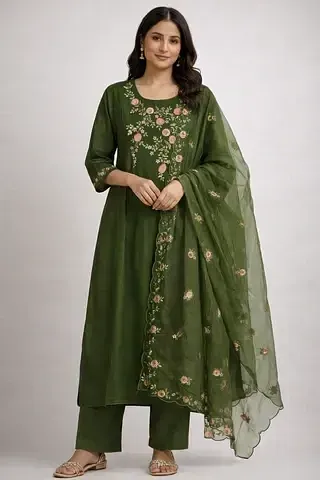
How to Alter an Anarkali Gown in the US
Altering an Anarkali gown in the US involves finding a tailor with experience in Indian garments, communicating your desired fit, and ensuring the tailor understands the structure and embellishments of the gown. Bring reference shoes, undergarments, and inspiration photos to your fitting. Always confirm which adjustments are possible—taking in the waist or shortening the hem is usually feasible, but major changes to beaded or zari sections can be challenging and may increase the cost and turnaround time. If you’re working with a ready-to-ship piece like the Pure Chinon Anarkali Gown, ask Swathi Design for the selected size’s measurements, then discuss any alterations with your tailor before purchase.
What is Indian Clothing Alterations?
Indian clothing alterations is the process of adjusting a traditional Indian garment—such as a lehenga, Anarkali, or saree blouse—for improved fit, comfort, or style. Alterations can include hemming, taking in seams, adjusting sleeves, or modifying the neckline, and often require specialized skill when working with beaded, embroidered, or handwoven fabrics.
Indian Clothing Alterations: FAQ
Q1: Can any tailor alter an Anarkali?
Not every tailor has the expertise for altering an Anarkali. Look for someone who has handled Indian outfits before—this ensures they understand the garment’s layered construction, flow, and any special embellishment. General alteration shops can usually handle basic seam adjustments, but for complex or heavily decorated pieces, choose a specialist familiar with Indian fashion.
Q2: What cannot be altered on a beaded garment?
Beaded garments often can’t be let out at seams where beadwork is dense, and substantial resizing or major neckline changes may not be feasible without damaging the embellishment. Hemming is possible but may require removing and reapplying beads—this is time-consuming and may not yield a perfect match. Always consult with your tailor about the risks before proceeding.
Q3: How much does hemming a lehenga cost?
The cost depends on the length change, lining and whether embroidery or beadwork must be moved. The sample budget above is a starting point; ask your tailor for a garment-specific quote and completion date before work begins.
Q4: What should you bring to the fitting?
Bring your garment clean and pressed, the shoes you plan to wear, the correct undergarments or shapewear, any matching dupatta or accessories, and inspiration images for your desired fit. If possible, include the blouse and petticoat for lehengas. This ensures the tailor gets every measurement right in context.
3 Ways to Style Your Altered Indian Outfit
- Festive Statement: Style the Ivory Muslin Anarkali Gown with gold jhumkas, a bold choker, and metallic heels for a Diwali party.
- Wedding Classic: Pair the Off-White Muslin Lehenga with a contrast silk blouse and polki jewelry for a sangeet or wedding reception. Add embellished mojaris for comfort.
- Modern Minimal: Go understated with the Pure Chinon Anarkali Gown in emerald, delicate pearl studs, and nude pumps—perfect for a formal dinner or upscale gathering.
For more on custom versus readymade fits, see our guide on Readymade Blouse or Custom Stitched. Want to know how to budget for a whole wedding guest wardrobe? Check out our Indian Wedding Guest Budget guide.
Cultural Context: Why Indian Clothing Alterations Matter
Indian garments are designed for drape and movement, but every silhouette is unique. Traditionally, tailoring is central to Indian clothing culture—most saree blouses and lehenga skirts are made-to-measure in India. For the featured Swathi Design pieces, use the individual size selector: the Ivory Muslin gown and Off-White Muslin lehenga list L, XL and XXL variants, and the Chinon gown also lists L, XL and XXL. Those labels do not establish a shared US 4–12 fit. Before ordering, compare the selected garment’s bust, waist, hip and length measurements with a well-fitting outfit, and check that the size is in stock. Many artisan-made pieces feature regional embroidery—zardozi from Lucknow, gota patti from Rajasthan, or Banarasi brocade—that require special respect in alterations. Always inform your tailor of the fabric’s origin if you know it; it can help them choose the right approach.
Shop the Collection
Ready to find your next statement piece—and get the fit just right? Browse our curated full collection of Indian dresses, lehengas, and gowns at Swathi Design. For styling advice or alteration questions, use our WhatsApp help or consult the product pages for size guidance. For the Ivory Muslin Anarkali Gown or Pure Chinon Anarkali Gown, check the selected size’s availability and leave time for a fitting before your occasion.
Ready to get started? Find an experienced tailor, bring your inspiration, and let your Indian wardrobe shine—no matter where you celebrate.
Featured in this guide
Part of the Designer Sarees Online — USA Buying Guides guide collection.
Related guides
- Swathi Designs Boutique: Where to Buy Authentic Indian Wedding Sarees in the USA
- Handwoven Sarees Online USA: Your Essential Guide to Indian Elegance, Artisan Craft, and Modern Styling
- Kanchipuram Silk Saree USA: The Ultimate Guide to Buying Authentic Wedding Sarees Online
- Luxury Handwoven Sarees Online in USA: The Ultimate Buying Guide
- Timeless Chanderi & Silk Suits for US Weddings: The Ultimate Guide to Ethnic Elegance in the USA