Temple Dress Code: What to Wear to a South Indian Temple
Check the dress rules of the temple and service you plan to attend, then choose comfortable coverage and a practical drape. Includes an official Tirumala example and outfit ideas.
Explore the pieces, ask about the details
Open a listing to compare its details, then ask us to confirm the fabric, fit, price and availability of the piece you like.
Temple Dress Code: What to Wear to a South Indian Temple
Start with the official dress guidance for the temple and the service you plan to attend. Rules differ, so a fashion guide cannot guarantee entry. Once you have checked those requirements, choose a comfortable outfit that lets you stand, sit and move without constant adjustment.
Why Temple Dress Code Matters
A temple visit is a chance to respect the practices of that particular place. Read its official visitor guidance and follow staff instructions. This article separates one published temple policy from optional styling ideas; it does not present a single dress code for all South Indian temples.
What is the Traditional Temple Dress Code?
A temple dress code sets the clothing requirements for a particular place or service. For example, Tirumala Tirupati Devasthanams’ official dress-code page lists sarees or half-sarees with blouses and churidar outfits with an upper cloth for women. Check the current guidance for your booked darshan or seva and your destination; a long dress is not automatically an accepted substitute.
Tradition and Personal Choice
A silk or cotton saree can be a meaningful personal choice for a temple visit. Regional textile traditions and family preferences may influence an outfit, but they do not establish a universal rule about purity, color or symbolism. The historical age of a craft and a regional GI designation also do not certify a particular retail saree.
Best Fabrics and Styles for Temple Wear
After checking your destination’s requirements, compare these outfit options by coverage, fit and the actual garment’s care needs:
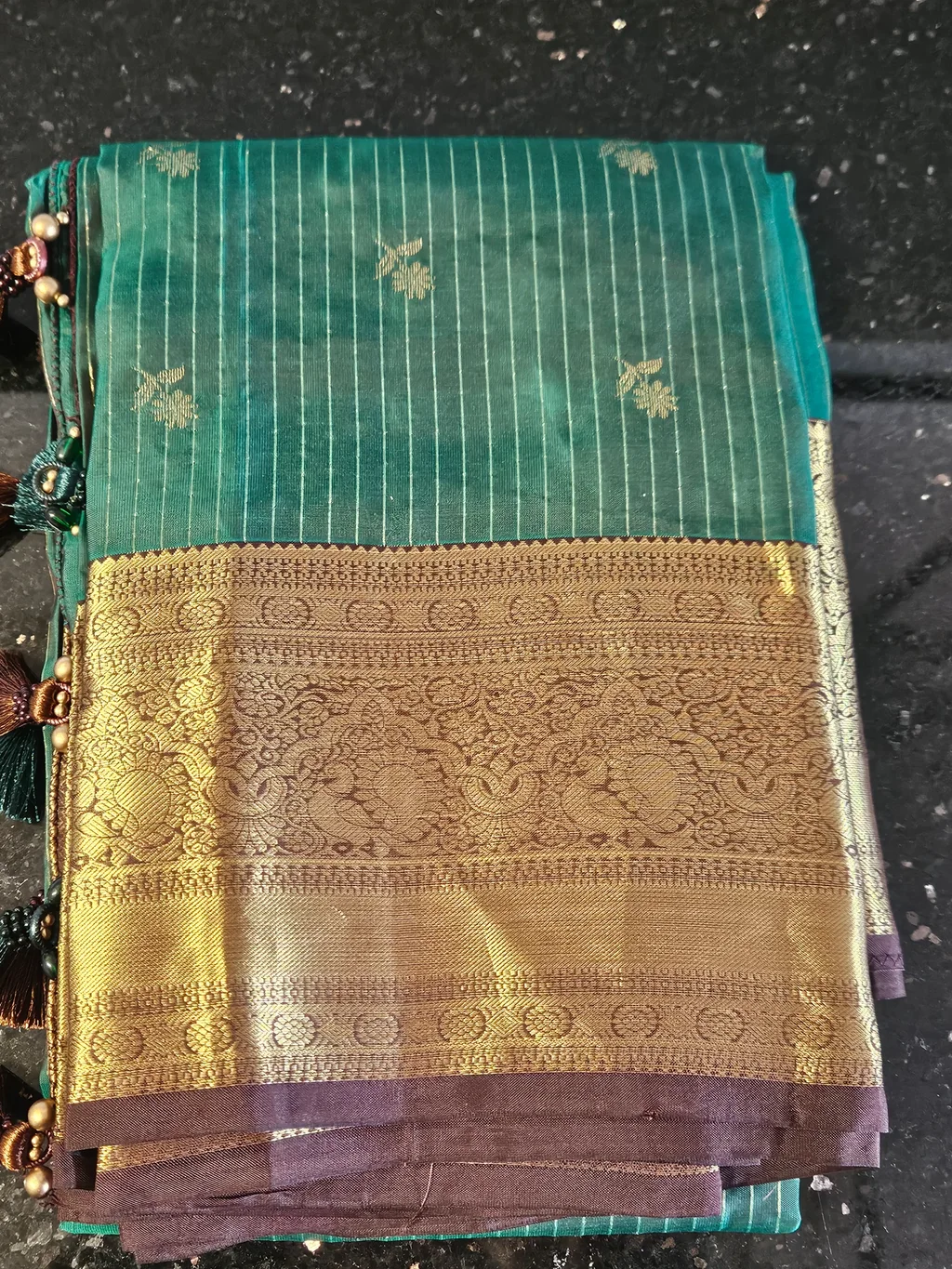
- Sarees: The Luxurious Pure Kanchipuram Silk Saree with Intricate Zari for Weddings is a catalog example for a festive look. Its product record describes Kanchipuram silk, but a name or metallic appearance does not independently establish handloom production or precious-metal content. Confirm the exact piece and the blouse before ordering.
- Cotton Sarees: Cotton, particularly South Indian varieties like Chettinad or Kanchi cotton, is cool, absorbent, and ideal for temple visits in warm weather. Lightweight and easy to drape, they’re perfect for daily darshan.
- Half-saree: Check that the complete outfit, including its blouse and upper drape, meets your temple’s stated requirements. Do not assume age or a regional style label determines eligibility.
- Dresses, Where Permitted: The Lemon Yellow Mul Cotton Dress with Hand-Embroidered Floral Yoke is listed in lemon yellow with a 42-inch length and 18-inch sleeves. Check the actual fit and ask the temple whether that style is permitted; coverage alone does not make a dress compliant with every temple policy.
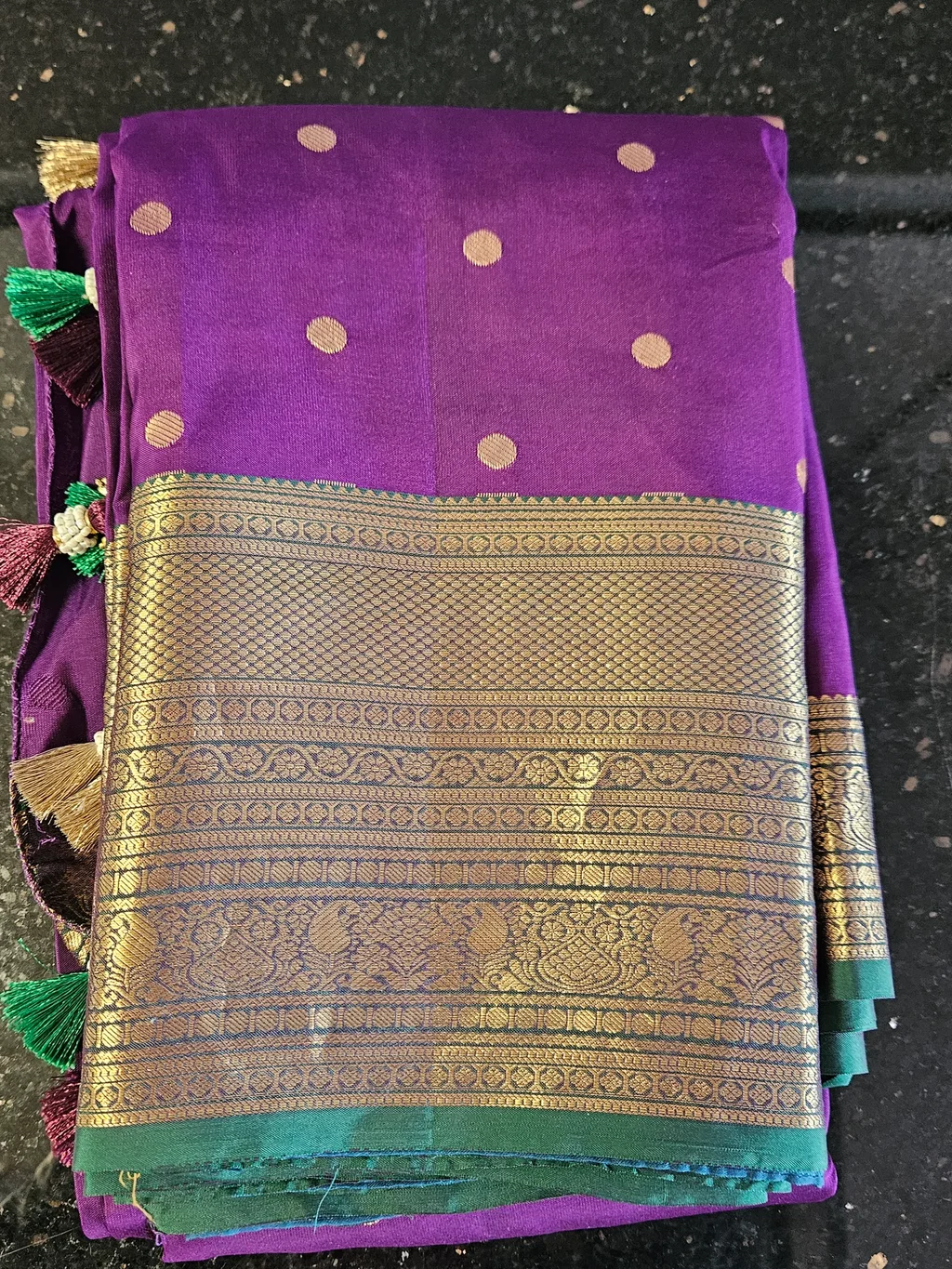
Table: Comparison of Temple Attire Fabrics
| Option | What to Check | Practical Preparation |
|---|---|---|
| Saree with blouse | Destination’s accepted attire and blouse guidance | Practice walking and sitting in the full drape |
| Churidar or suit with upper cloth | Whether the temple lists this style | Secure the dupatta and check coverage |
| Half-saree | Requirements for the complete outfit | Check waistband comfort and hem clearance |
| Long dress | Explicit permission from the destination | Do not assume length alone establishes permission |
How to Style a Kanchipuram Saree for Temple Visits?
If a saree is permitted at your destination, try a secure drape with neat pleats and a comfortable blouse. Keep the pallu and hem clear while walking and sitting. Simple jewelry is an optional styling choice, not a religious requirement; follow the temple’s own instructions for conduct and entry.
- Choose a color you enjoy, subject to any specific instruction from your temple or event host.
- Pair with a high-neck or elbow-sleeve blouse for modesty.
- Wear your hair tied back or in a plait, adorned with jasmine flowers if you wish.
- Follow your own practice and the temple’s guidance for any religious adornment; it is not a fashion requirement.
Modern Interpretations and Comfort
If your destination permits an anarkali-style outfit, the Deep Teal Anarkali Gown is a catalog reference in deep teal. Its record lists a 46-inch kurta and a 2.5-meter dupatta. Check the actual coverage and mobility, and confirm permission before relying on this outfit for entry.
Temple Dress Code Etiquette: Must-Knows
- Follow the Posted Attire Rules: Confirm accepted outfit types and coverage for your destination. A general modesty checklist cannot replace its policy.
- Plan for Comfort: Consider the venue, weather, layers and time standing or sitting. No particular fiber is a universal temple requirement.
- Keep Accessories Manageable: Choose jewelry that does not catch the fabric or interfere with movement.
- Check Footwear Instructions: Follow the temple’s signs and staff directions for where to remove and store shoes.
- Hair and Makeup: Style these for comfort and your own practice, observing any specific instructions from the temple.
- Color Customs: Ask about requirements for your particular visit. Do not assume black, white or another color has the same meaning or restriction in every Hindu community.
Find more practical saree care tips in our Silk vs Cotton Saree comparison guide.
Styling Ideas for South Indian Temple Outfits
These are styling suggestions based on catalog examples, subject to the temple’s rules. Product names are retained as labels; they do not by themselves verify handcraft, zari composition or current stock:
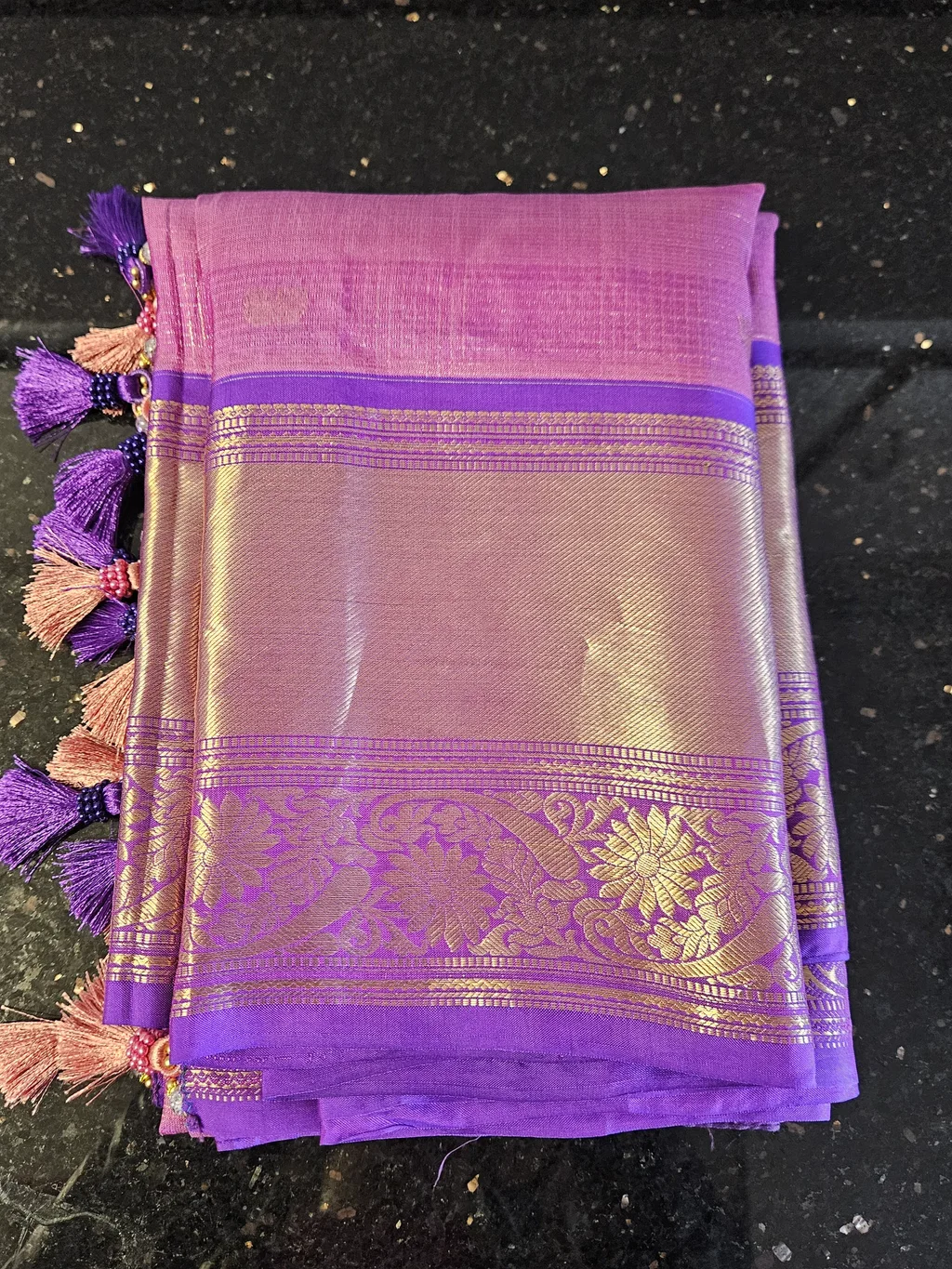
- Classic Saree Ensemble: Consider the Pure Kanchipuram Silk Wedding Saree with Zari Work with a well-fitted blouse and jewelry of your choice. The listing describes Kanchipuram silk but does not document a specific jewel-tone color; confirm the actual piece and its current availability.
- Cotton Dress, Where Permitted: The Lemon Yellow Mul Cotton Dress has lemon yellow recorded in its specifications. Pair it with small earrings if you like; confirm the temple accepts dresses and do not infer handmade embroidery from the name alone.
- Festive Saree Styling: The Handwoven Kanchipuram Silk Saree with Golden Zari is described in the catalog as multicolor with gold accents. Try a long-sleeve blouse and suitable petticoat, but confirm fit, care and any handloom or zari-content claim for the actual piece.
For more inspiration, browse Swathi Design’s Sarees and Dresses collections.
Useful Tips to Choose Your Temple Outfit
- Pre-pleat Your Saree: If you’re new to draping, pre-pleat the pallu and secure with safety pins. This keeps the saree neat and saves time in the temple queue.
- Carry a Dupatta or Shawl: In case you’re wearing a dress or a salwar suit, add a dupatta for extra coverage and to easily adapt if the temple is air-conditioned.
- Choose a Morning Palette: Cream, yellow or another light shade can be a personal styling choice. They are not a universal requirement or guarantee of auspiciousness.
- Petticoat Fit Matters: A well-fitted cotton petticoat prevents slippage and ensures you can walk comfortably barefoot on temple stone floors.
- Check Local Customs: Some temples require specific attire—e.g., saree only, or no pants/skirts—so call ahead or check their website.
Frequently Asked Questions: Temple Dress Code
Q1: What should women wear to a South Indian temple?
Follow the temple’s official dress guidance for your particular visit. A saree or another expressly permitted outfit is a starting point; try the full outfit beforehand for coverage and comfortable movement. Fiber, hairstyle and jewelry should not be presented as universal entry rules.
Q2: Is Western clothing allowed in temples?
Permission depends on the temple and the service. Do not assume a maxi dress, jeans or another style will be accepted because it provides coverage. Check the official website or contact the temple directly before travel.
Q3: What colors are appropriate for temple?
Color preferences vary by family, community and occasion. Check any instruction for your visit and otherwise choose a color you are comfortable wearing. This guide does not impose a general ban on black or dark shades.
Q4: Do you need to cover your head?
Check the instructions for your destination and service, and follow staff guidance. There is no single head-covering rule established here for every South Indian temple.
Check the Destination, Not Just the State
A state name or regional outfit tradition is not enough to determine the rules of an individual temple. Before leaving, check:
- The temple: Read its official visitor guidance, rather than assuming a regional custom is an entry rule.
- The service: Check whether your booked ritual or darshan has additional requirements.
- The complete outfit: Confirm the blouse, trousers, upper cloth and other components the temple specifies.
For festival-specific styles, see our post on What to Wear for Onam.
Product Spotlight: Kanchipuram Silk for Temple Visits
The following Kanchipuram-style catalog listings can inspire a festive saree outfit. Their regional style names do not independently verify loom origin, motif history or precious-metal content. Confirm the actual piece, measurements and current availability before ordering.
- Luxurious Pure Kanchipuram Silk Saree with Intricate Zari for Weddings: Use this catalog example to compare the listed material, dimensions and care; ask about any missing color or construction details.
- Handwoven Kanchipuram Silk Saree with Golden Zari – Wedding Wear: Use this catalog example to compare the listed material, dimensions and care; ask about any missing color or construction details.
- Pure Kanchipuram Silk Wedding Saree with Zari Work: Use this catalog example to compare the listed material, dimensions and care; ask about any missing color or construction details.
The featured silk saree records specify dry cleaning. Follow the actual garment’s label, including instructions for trim and storage, and avoid prolonged direct sunlight.
Shop the Collection
Explore the Swathi Design collection for outfit ideas, then confirm the selected item’s details and the temple’s rules. Use the product contact option for availability and measurement questions; check current shipping terms before ordering for a visit.
Featured in this guide
- Pure Kanchipuram Silk Wedding Saree with Handwoven Gold Zari – Multicolor Elegance — Sold out
- Handwoven Kanchipuram Silk Saree with Gold Zari – Multicolor Indian Wedding Saree
- Pure Kanchipuram Silk Wedding Saree with Handwoven Zari – Traditional Indian Bridal Wear
- Lemon Yellow Mul Cotton Hand-Embroidered Floral Dress for Weddings & Festivals
- Deep Teal Gold Zari Embroidered Anarkali Gown – Pure Chinon Indian Wedding Dress
Part of the Designer Sarees Online — USA Buying Guides guide collection.
Related guides
- Swathi Designs Boutique: Where to Buy Authentic Indian Wedding Sarees in the USA
- Handwoven Sarees Online USA: Your Essential Guide to Indian Elegance, Artisan Craft, and Modern Styling
- Kanchipuram Silk Saree USA: The Ultimate Guide to Buying Authentic Wedding Sarees Online
- Luxury Handwoven Sarees Online in USA: The Ultimate Buying Guide
- Timeless Chanderi & Silk Suits for US Weddings: The Ultimate Guide to Ethnic Elegance in the USA