What Is Chanderi Fabric? Silk, Cotton and Blended Weaves from Madhya Pradesh
Explore Chanderi’s silk, cotton and blended fabrics, its weaving heritage, and practical ways to compare materials, provenance, drape and care before buying.
Explore the pieces, ask about the details
Open a listing to compare its details, then ask us to confirm the fabric, fit, price and availability of the piece you like.
What is Chanderi Fabric?
Chanderi is a textile tradition associated with the town of Chanderi in Madhya Pradesh, admired for light drapes, translucency and woven decoration. It is not one fixed blend: Madhya Pradesh Tourism lists silk, cotton and silk-cotton varieties. Compare the material and finish of the particular fabric when choosing a saree or festive outfit.
Origin of Chanderi: A Town Woven Into Fabric
Chanderi has a centuries-old weaving tradition. Accounts of its earliest beginnings vary, so the town’s age should not be treated as a precise date for the origin of its textiles. Madhya Pradesh Tourism describes the weave’s prominence during the Mughal period. Chanderi Sarees is registered as a Geographical Indication, recognizing the regional product; this does not authenticate every item sold under a similar name.
How Chanderi Fabric Is Made: Yarn, Weave and Decoration
Yarn selection, weave density and finishing affect a Chanderi fabric’s sheen, weight and drape. One Chanderi example documented by the Development Commissioner for Handlooms uses fine silk warp with mercerized cotton weft, alternating decorative butis and a wave-patterned border. This illustrates a silk-cotton construction; cotton and silk versions also exist.
- Warp: The lengthwise yarns help determine the cloth’s structure and appearance.
- Weft: The crosswise yarns may differ from the warp; ask for the stated fiber composition.
- Borders & Butis: Woven decorative threads can form borders or small repeated motifs.
Chanderi has a documented pit-loom tradition. A slight irregularity may be worth inspecting, but it cannot prove who made a textile or which loom was used. For a purchase described as handwoven, use the maker’s information and product-level evidence.
Why Is Chanderi Fabric So Sheer?
Fine yarns and the spacing of the weave influence how much light passes through a fabric. Chanderi often has a translucent appearance, but density, decoration and finishing vary. Sheerness is a useful styling characteristic rather than an authentication test.
Motifs and Borders in Chanderi Sarees
Common decorative features in Chanderi sarees include:
- Buti Motifs: Small, repeated patterns—such as coin (asharfi), floral (phul-patti), peacock, or geometric shapes—are woven using extra weft technique.
- Decorative Borders: Zari or other contrasting threads frame the drape; designs vary by piece.
In a woven motif, decorative yarn is integrated into the cloth. Look at close-up front and reverse photographs to distinguish woven decoration from printing or added embroidery. This identifies the type of decoration, not the fabric’s geographic origin.
How to Identify Authentic Chanderi Fabric
To assess a Chanderi purchase, compare its appearance with the seller’s specific material and origin information:
- Transparency: Review the fabric against light and consider how much lining or coverage you prefer.
- Motif Placement: Request photographs of both faces to understand the decoration and finish.
- Condition: Inspect slubs, loose threads or uneven areas for their effect on wear; irregularity alone does not prove handloom work.
- Feel: Choose a drape you enjoy; softness or coolness cannot establish fiber content.
- Origin and Labels: Ask how the specific product is linked to the registered regional tradition. Keep regional GI information separate from the product’s loom and fiber evidence. See our GI tag handloom guide.
Handloom Mark addresses loom origin; Silk Mark addresses pure-silk content and does not certify zari purity. These answer different questions. Neither a regional name nor a shiny surface substitutes for a label or record tied to the product.
Before Buying: Check the Product Record
Skip water-drop tests: wetting a saree is not a reliable way to establish its fiber, loom method or origin. Instead, retain the invoice, material description and any verifiable product labels. Avoid wetting or rubbing a piece you are considering buying.
How to Care for Chanderi Fabric: Cleaning, Folding, and Storage
Chanderi sarees are delicate, but with proper care, they last generations. Here’s how:
- Cleaning: Follow the particular saree’s care label. Ask a textile cleaner about delicate decoration or unstable dyes before washing.
- Folding: Refold every few months to avoid permanent creases. Place acid-free tissue between folds to protect zari.
- Storage: Wrap in a soft cotton cloth and store in a cool, dry place. Avoid plastic covers—they can trap moisture and yellow the silk.
Care Tip: Check the care label before applying heat or steam. Avoid pressing directly on raised motifs or zari; ask a textile cleaner about damaged or crushed decoration.
Why Choose Chanderi Fabric?
Chanderi’s range of light textures and decorative finishes offers many options for weddings, Diwali and daytime gatherings. Choose the fiber, lining and weight that suit your occasion. Regional GI registration concerns the protected product identity; it does not by itself establish the working conditions or pay behind a particular purchase.
FAQ: What is Chanderi fabric made of?
Chanderi can be cotton, silk or silk-cotton. Decorative zari may be added to borders or motifs. Read the selected item’s material description rather than assuming that the regional name fixes its fiber percentages.
FAQ: Why is Chanderi fabric so sheer?
Many Chanderi fabrics are translucent because of their fine yarns and weave structure. The degree of transparency varies; decoration, lining and finishing also change how the finished garment looks and feels.
FAQ: Where is Chanderi fabric from?
Chanderi fabric originates from the town of Chanderi in Ashoknagar district, Madhya Pradesh, India. The region is renowned for its centuries-old handloom tradition, blending influences from Malwa and Bundelkhand. The Chanderi weaving community is recognized for producing some of India’s most iconic sheer silks and cottons, now protected by GI status.
FAQ: Is Chanderi suitable for summer?
A light Chanderi saree can work well for summer events. Compare its actual weight, lining and decoration, and choose an underlayer that feels comfortable in your venue. The regional name alone does not guarantee comfort in heat.
Chanderi vs Other Indian Handlooms: A Quick Comparison
| Feature | Chanderi | Kanjivaram | Banarasi |
|---|---|---|---|
| Region | Madhya Pradesh | Tamil Nadu | Uttar Pradesh |
| Material to check | Cotton, silk or silk-cotton; decoration varies | Check the selected saree’s fiber and zari details | Check the selected saree’s fiber and zari details |
| Weight | Often light | Varies by weave and decoration | Varies by weave and decoration |
| Designs to compare | Small buti motifs and borders | Temple borders and checks | Floral and jangla designs |
| Sheerness | Often translucent | Check the selected fabric | Check the selected fabric |
Each handloom tells a region’s story. Learn how to identify authentic sarees and read GI tags in our handloom certification guide.
How to Style Chanderi Sarees for US Occasions
Chanderi’s versatility shines in the diaspora context. For Indian-American weddings or Diwali parties, pair a Chanderi saree with heritage gold or silver jewelry and a handloom blouse. To modernize, opt for minimalist earrings and a silk clutch. The fabric’s muted glow also complements pastel or jewel-tone palettes—ideal for blending with American or Indo-Western silhouettes.
- For a statement look, contrast a Chanderi saree with a contemporary metallic blouse.
- Lighter Chanderi drapes are perfect for daytime events or summer outings.
- Layer with a silk stole or shawl for evening gatherings.
Explore more on Sarees for inspiration and styling tips.
Other Saree Styles to Compare
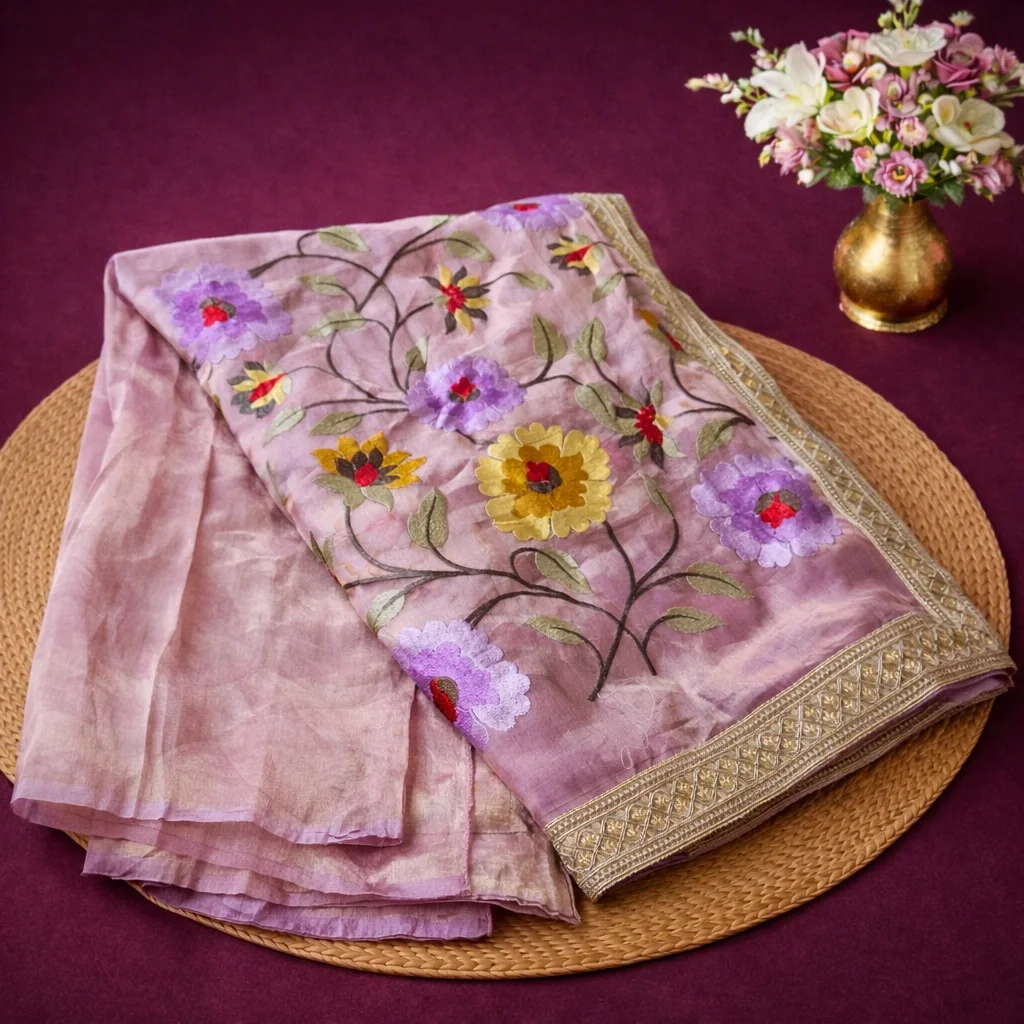
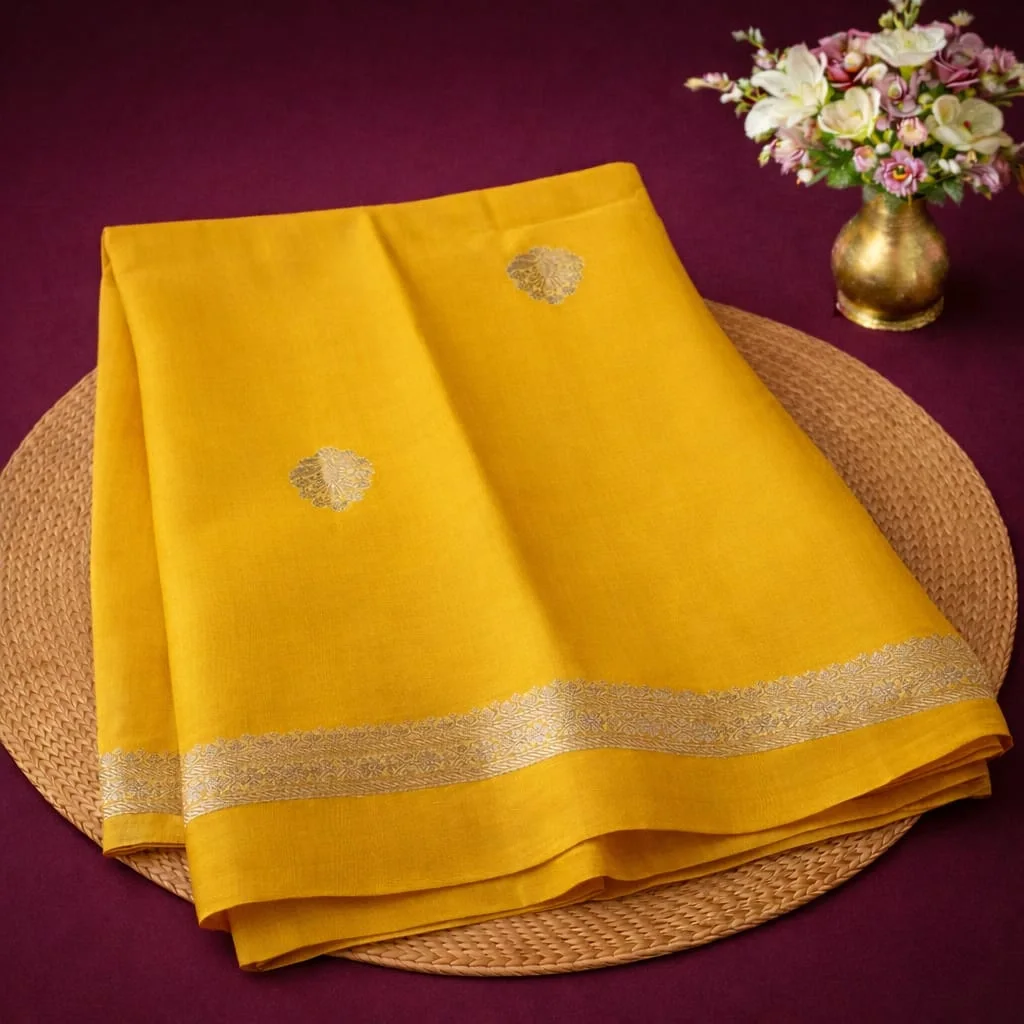
The linked Banarasi and Mysore pieces are other catalog styles to compare, rather than examples of Chanderi weaving. The Pure Banarasi Kora Tissue Embroidered Saree and Luxurious Pure Banarasi Raw Mango Handloom Saree retain their catalog names here. Compare their photographs, material details and available product evidence separately; current prices are confirmed on inquiry.
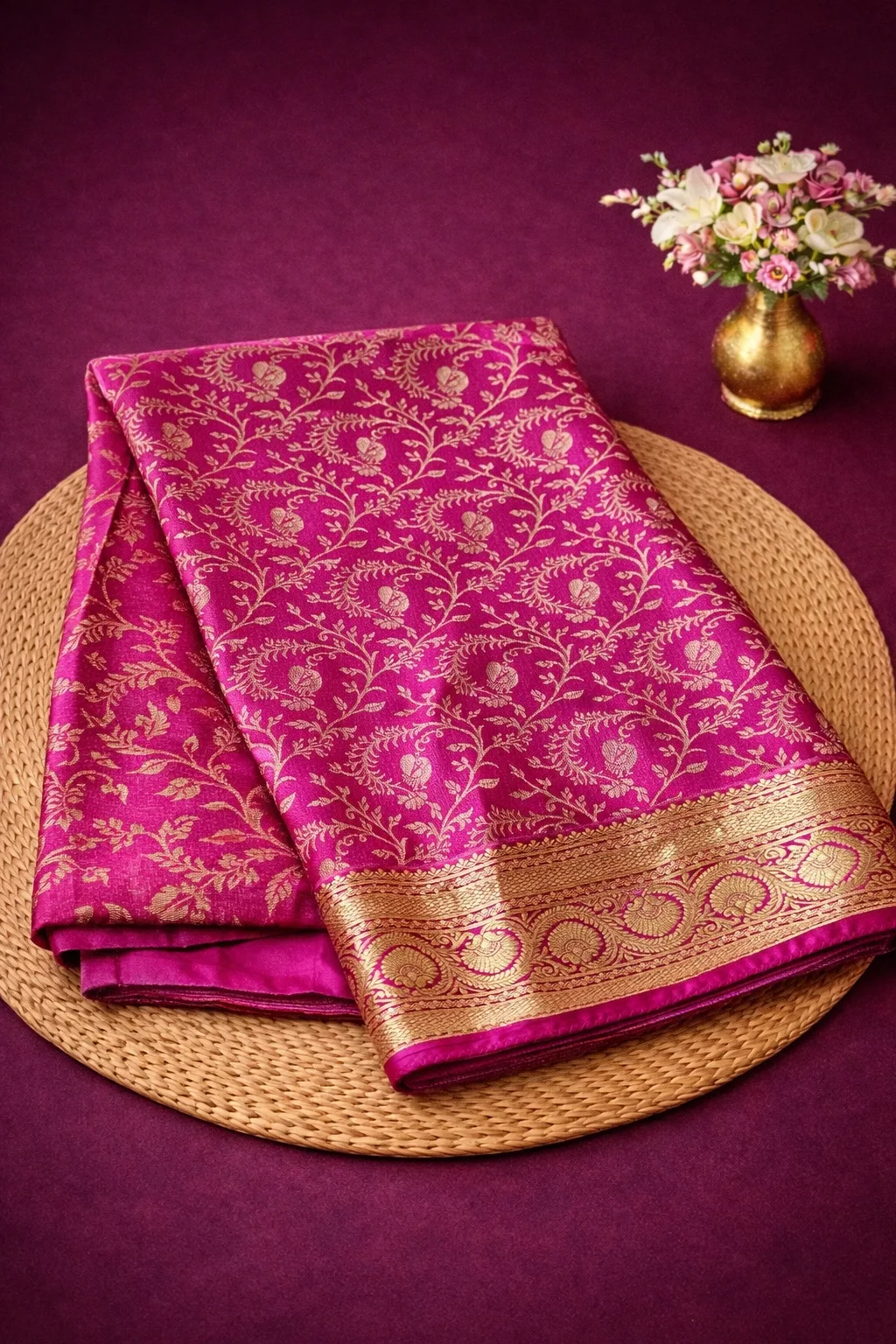
For another festive option, view the catalog’s Pure Brocade Mysore Silk Saree 120gms (price confirmed on inquiry). Choose accessories around the pictured color and border.
Related Guides for US-Based Saree Shoppers
New to buying handloom sarees in the US? Learn about returns and US sizing policies, or see our first-time saree buyer guide for fabric tips and shopping checklists. If gifting, our saree gifting guide covers color and etiquette choices.
Shop the Collection
Chanderi offers a distinctive starting point for exploring Indian textiles. Compare the material, provenance and drape of the style you choose, then browse our full collection for more outfit ideas. Contact Swathi Design on WhatsApp with product questions.
Featured in this guide
- Handwoven Pure Banarasi Kora Tissue Silk Saree with Embroidery – Indian Heritage Elegance — Pre-order; confirm timing
- Handwoven Pure Mysore Silk Brocade Saree 120gms – Indian Wedding & Festive Wear — Sold out
- Pure Banarasi Raw Mango Handloom Silk Saree – Festive Indian Elegance — Pre-order; confirm timing
Part of the Handwoven Silks: Chanderi, Tussar & Raw Mango guide collection.
Related guides
- Chanderi Pattu Saree Styles for Indian-American Weddings and Celebrations
- Exquisite Russian Crape Silk Saree: Timeless Elegance for Every Occasion
- Luxurious Pure Russian Crape Saree: Timeless Elegance for Every Occasion
- Elevate Your Festive Wardrobe with Exquisite Handwoven Chanderi Sarees and Anarkali Dresses
- Timeless Elegance: Discover the Allure of Pure Chanderi Silk Sarees for Every Occasion